Walk into any wrap shop and ask what's better, PPF or vinyl, and you'll get a different answer depending on who's behind the counter. The truth is they're not really competing products. They overlap on appearance, but they were built to do different jobs. The right choice depends on what you actually want from the work.
This is the breakdown we wish more customers walked in with.
The short version
Vinyl wrap is for changing how your car looks. Color, finish, graphics, anything visual. It's an enormous design library, it goes on cleanly, and it comes off cleanly when you're done.
Paint protection film (PPF) is for keeping the paint underneath in showroom condition. It's clear or near-clear, much thicker than vinyl, and engineered to absorb impacts and self-heal minor scratches. Some PPFs come in finishes (satin, matte, even some colors) but that's a recent expansion of the category, not its core purpose.
If you can answer one question, “am I trying to change my car or protect it?”, you're already 80% of the way to the right pick.
How they actually differ
Thickness and protection
PPF is typically 6 to 8 mils thick. Vinyl is 2 to 3.5 mils. That extra material is what gives PPF its real superpower: it absorbs rock chips, scratches from car washes, and the daily abrasions that put swirl marks into clear coat. Most modern PPFs also have a self-healing topcoat that uses heat (sun, warm water) to relax minor scratches out of the surface within minutes.
Vinyl protects the paint a little, simply because it's a layer in the way. But it's not designed for impact. A stone strike that PPF would shrug off will dent or tear vinyl.
Color and finish range
Vinyl wins this one decisively. Premium brands like 3M, Avery, KPMF, and Inozetek publish hundreds of colors and finishes, gloss, satin, matte, metallic, color-shift, brushed, carbon-textured, chrome. You can wrap a car in a finish that doesn't exist as a factory option from any manufacturer on earth.
PPF used to be only clear. Today you can get satin and matte finishes, and a small but growing range of colored PPFs. Selection is still a fraction of vinyl's, and the price-per-square-foot is significantly higher.
Cost
Rough numbers, full-vehicle in 2024:
- Vinyl color change: $3,500 to $7,000 depending on shop and material
- Full PPF: $6,000 to $12,000+ for a quality install
- Partial PPF (front-end only, hood, bumper, mirrors, fenders): $1,500 to $3,500
The price gap is real. PPF costs more in materials, takes longer to install, and demands a more skilled technician.
Where the application gets hard
This is the part most customers underestimate. Both films have to be cut, conformed, and tucked around every edge of the panel they cover. PPF's thickness is what makes it protective, but it's also what makes it harder to wrap around tight radiuses, the inside of door handles, deep body lines, sharp lip spoilers. Skilled installers either stop short of these areas (leaving a thin line of exposed paint) or use heat and tension to pull the film around. Done well, you can't see it. Done poorly, it lifts at the edges over time.
Vinyl is more forgiving here, especially the cast vinyls used by reputable shops. It conforms to compound curves, stretches into recesses, and tucks more cleanly. It's still craft work, bad installs bubble, peel, or show seams, but the ceiling for “invisible” results is higher.
Longevity
Quality PPF, properly installed, lasts 7 to 10 years with a manufacturer warranty backing it up. Quality cast vinyl lasts 5 to 7 years. Both will outlast that with garage storage and gentle washing; both die early on a daily-driver that lives outside in extreme climates.
So which do you actually want?
Use this as your gut check:
- You want a different color or finish. Vinyl. Full stop. PPF can't do what vinyl does for color, and you'd be paying double for less choice.
- You're keeping the factory color but you drive a lot of highway miles. PPF, at minimum on the front end. Rock chips on the hood and bumper are the most common reason owners regret skipping it.
- You bought a car you plan to sell or trade in within 3 years. PPF on a clean paint job preserves resale value. Vinyl over a clean paint job protects nothing but lets you experiment with looks; you can peel it off before sale.
- You want both. A common combo is PPF on impact zones (front bumper, hood leading edge, mirrors, rocker panels, door cups) and vinyl on the body for color. The PPF goes underneath; the vinyl on top. It's not cheap but it's the right answer for someone who wants the best of both.
- You change your mind a lot. Vinyl. Easier to remove, easier to replace.
The questions to ask the shop
Before you sign, ask these. The answers tell you everything about whether they'll do good work:
- What brand of film are you using, and why that one? A shop that uses cheap film to hit a price point will give you a cheap-looking result. Premium brands have premium reasons.
- What's the warranty, and is it from the installer or the manufacturer? Manufacturer warranties (e.g., 3M, XPEL, SunTek) require certified installers. That certification is a real signal of competence.
- Can I see a vehicle you've finished? Specifically the edges around handles, mirrors, and grill. The flat panels are easy. The edges are where craft shows up.
- How long will it take, and where will the car live during the install? Quality work isn't fast. A full PPF takes 3-5 days minimum. A full vinyl wrap takes 2-4. If a shop is promising same-day, walk away.
- What's the prep process? The right answer involves a wash, clay-bar decontamination, IPA wipe-down, and sometimes machine polishing. Anyone skipping prep is installing onto contaminated paint and will get bubbles or premature failure.
Where Zeno fits in
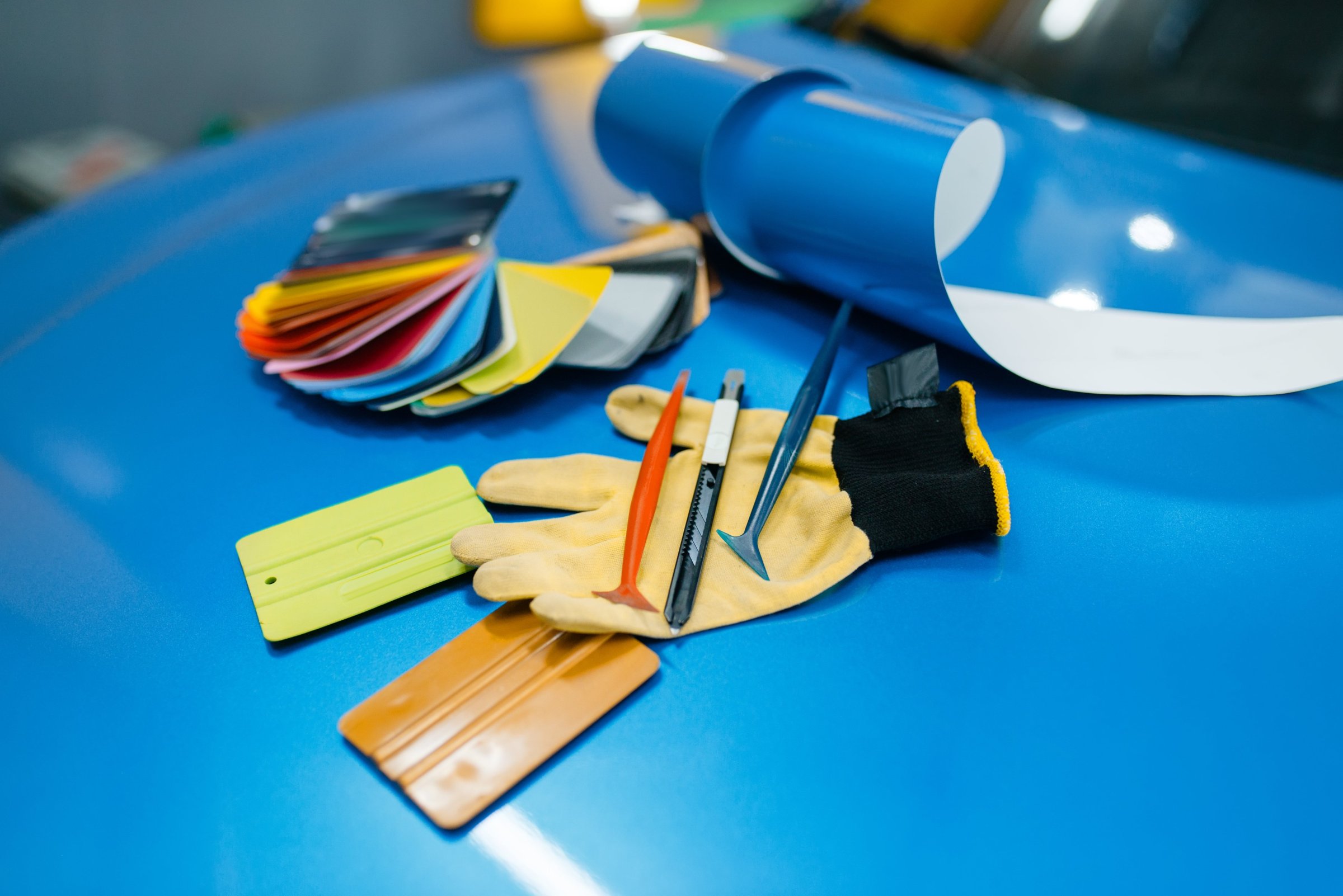
One of the recurring frustrations in this category, for both shops and customers, is that the decision is made from a tiny vinyl swatch held up against a fender in fluorescent light. You're committing thousands of dollars to a finish you've barely seen on your specific vehicle.
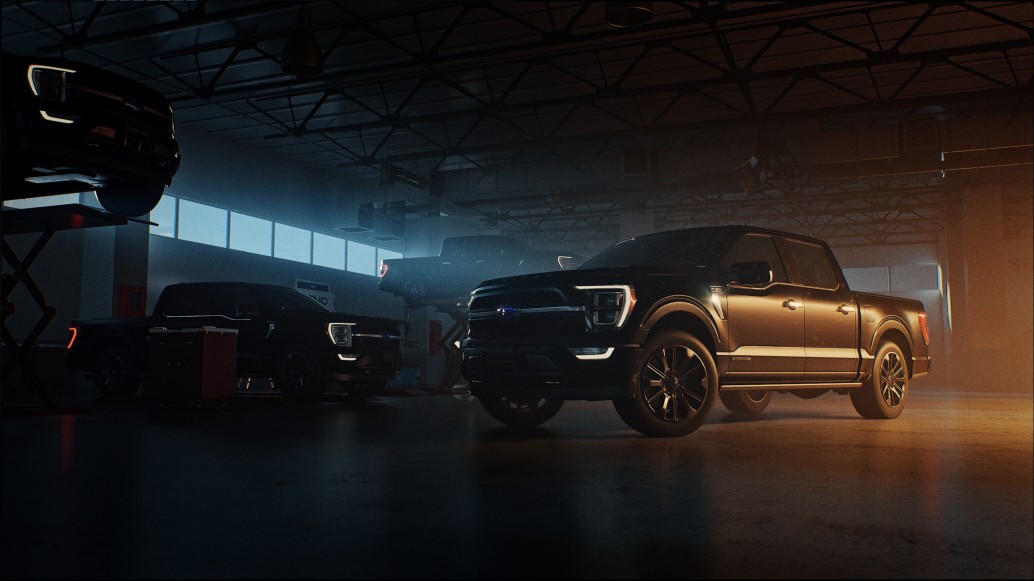
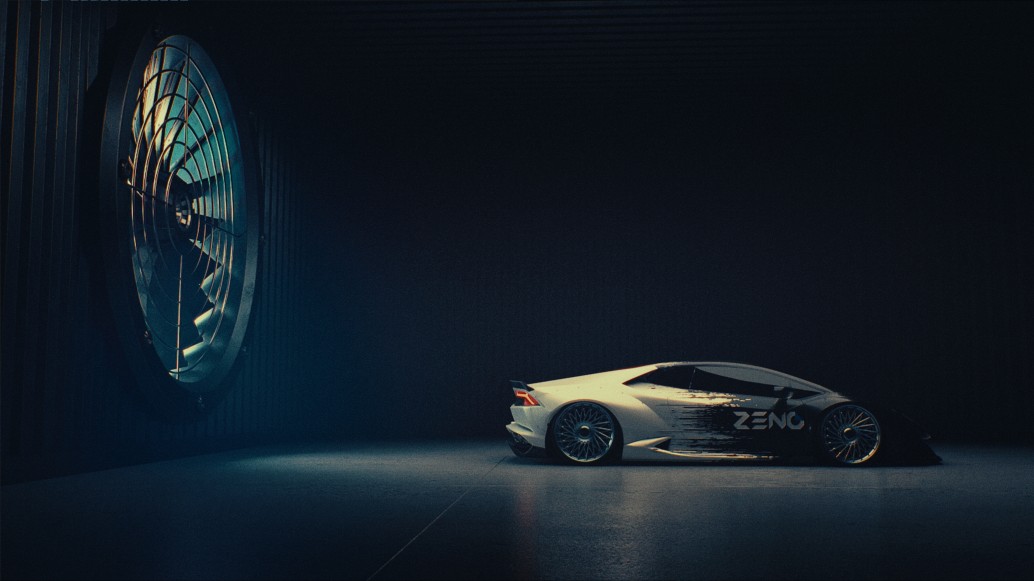
That's exactly the gap Zeno closes. Customers can see their actual vehicle, in the actual finish they're considering, in environments that look like real life, sunlit, indoors, at dusk. They can compare gloss versus satin versus matte side by side. They can test what a satin PPF looks like next to a satin vinyl in the same color. The decision moves from imagination to confidence, and shops close more jobs because the customer isn't guessing anymore.
Whichever direction you go, vinyl, PPF, or both, the goal is the same: walk in knowing what you want, walk out happy you got it.