New tools always sound good in a sales pitch. The question that actually matters is what they change in the day-to-day. For wrap shops considering 3D visualization, the changes show up in four specific places. None of them are theoretical, they show up in close rates, hours billed, and customer churn.
1. The consultation gets shorter and converts higher
The traditional consultation is a guessing game disguised as a sales conversation. Customer flips through swatches, picks two or three to consider, asks “what would this look like on my car?”, and the honest answer is some version of “you'll have to imagine it.”
That uncertainty is where deals stall. The customer says “I need to think about it,” goes home, talks to their partner who hasn't seen anything, second-guesses a finish they were 70% sure about, and either books elsewhere or doesn't book at all.
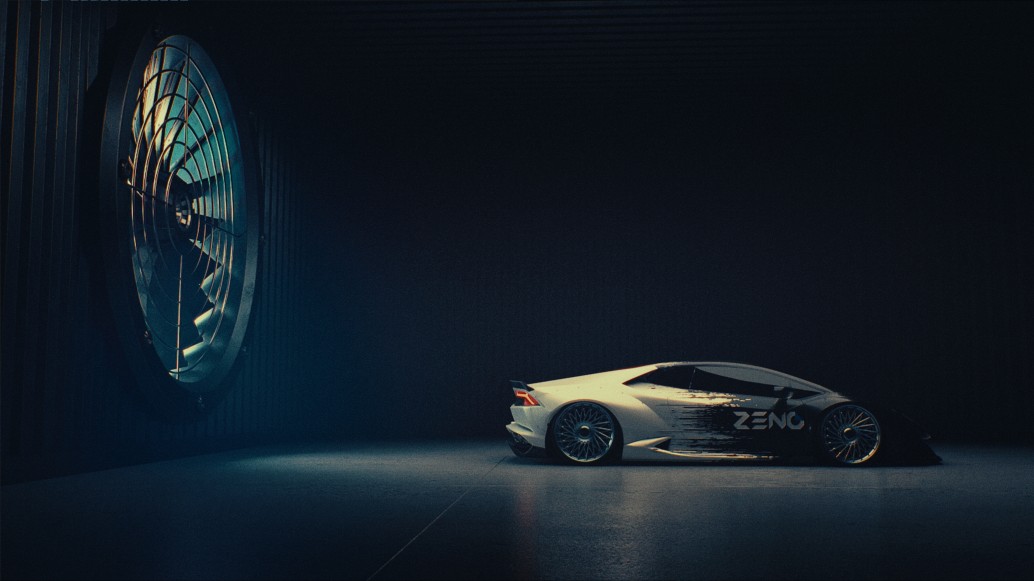
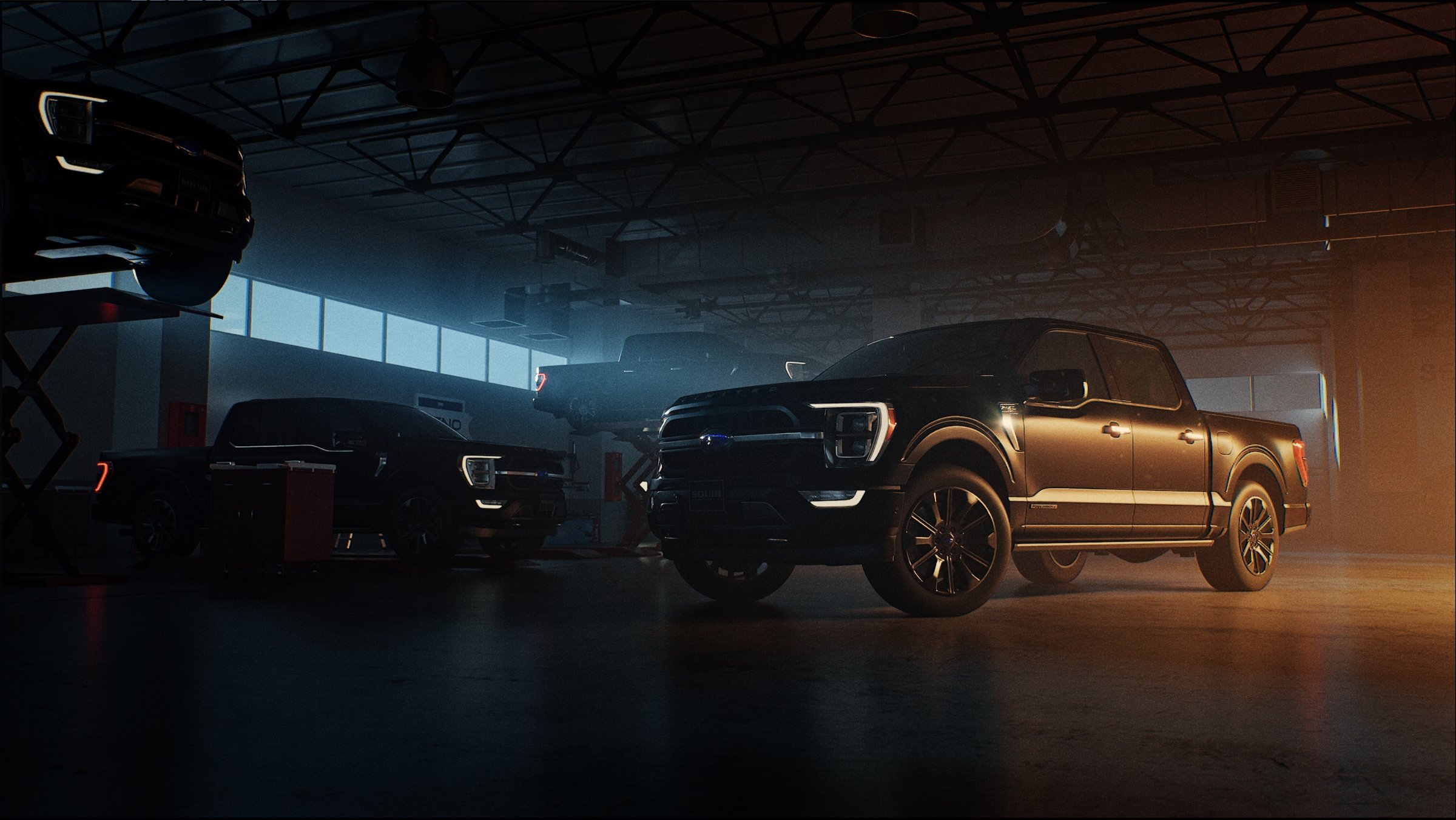
3D visualization replaces the guessing with seeing. Customer sees their actual vehicle in the actual finish, rotates it, compares it to alternatives. The conversation moves from “I'm not sure” to “this one, definitely.”
The operational effect: consultations finish in one sitting more often. Deposits are taken in the chair. Customers who would have bounced now book.
2. Design hand-off to installer becomes deterministic
The hand-off from the person who sold the job to the person who installs it is one of the highest-friction moments in a wrap shop. The classic version is a handwritten work order, a few photos of inspiration shots, and a verbal “just match this finish, do the door cups.” What gets lost in translation is exactly the kind of detail that turns into customer disputes, was the roof supposed to be wrapped? Were door jambs included? Did the customer approve the badge color?
When the design is built and approved in 3D, you have an unambiguous record of what was sold. The installer is looking at the same image the customer signed off on. Coverage areas are explicit. There's no “I thought we were doing the mirrors” conversation at handoff because the mirrors are either visibly wrapped in the approved render or they aren't.
Spec sheets generated from the 3D file pull this even further into the workflow. Material quantities, panel breakdown, finish selections, all of it goes from designer's head to installer's hands without retyping.
3. Mistakes become cheaper
Wrap shops have an asymmetric error cost. A miscommunication that costs 10 minutes to discuss can cost 6 hours to redo if it makes it onto the panel. Material is expensive. Labor is the bigger expense. A finish the customer rejects after install is a four-figure mistake.
Most of those mistakes are upstream. They start in the consultation when expectations weren't precisely set. 3D visualization doesn't eliminate them, but it moves them to the cheap end of the timeline. The customer rejects the look on screen, where the cost of changing direction is zero, instead of on the panel, where the cost is a full reinstall.
4. Marketing happens as a side effect of sales
This is the underrated change. Most shops struggle to produce content because content production is a separate workflow from money-making work. Photo shoots, edit sessions, planning, none of it is billable.
When every consultation generates 3D renders of the customer's car in candidate finishes, you're producing marketing visuals as a free byproduct of work you're already doing. The customer shares them with friends. You post them to Instagram. The shop's content calendar fills itself.
None of this requires a content strategy. It just requires using the visuals you're already creating during the sales process.
What it looks like to actually integrate this
The shops that have rolled out Zeno well share a few habits:
- The consultation flow is rebuilt around it. Not “swatches, then maybe a render.” The render is the consultation. Swatches confirm the material in person.
- The render is sent home with the customer. Even if they're 90% decided, give them an asset to share. It builds anticipation, brings their decision-makers in, and produces social content.
- The approved design becomes the installer brief. No retyping, no re-explaining. Installer pulls up the render, builds from it.
- Renders are saved and tagged. Six months later, when a customer in a similar situation asks “can you show me what this looks like?”, you have a library.
What it doesn't change
One thing worth saying clearly: visualization doesn't make a shop better at wrapping. The craft is the craft. A bad install is a bad install whether or not the customer saw a beautiful render of it first.
What it changes is the surrounding economics. Better decisions made faster. Fewer surprises at handoff. Free content. None of that is glamorous on its own. Stack them up over a year and they're the difference between a shop that survives and a shop that grows.